The annual Solomon Carter Fuller Brain Health Brunch is presented by the Wisconsin Alzheimer's Disease Research Center (ADRC) with support from the CLARiTI, WRAP and PREDICT studies. Free and open to all, the event aims to raise awareness about topics related to Alzheimer’s disease. Attendees will enjoy a complimentary brunch and an inspiring keynote talk by Susan Flowers Benton, PhD, CRC, from Southern University and A&M College.
REGISTRATION IS FULL. We hope you can join us at future Wisconsin ADRC events and at next year's Solomon Carter Fuller Brain Health Brunch.
Highlights will include:
🧠 A health and wellness resource fair
🧠 A free, delicious brunch
🧠 Keynote talk by Dr. Susan Flowers Benton: "When Stories Become Science: Community Voices and the Co-Creation of Knowledge in Aging and Health Research"
🧠 A performance from the Precious Memories Choir

Dr. Susan Flowers Benton will be the keynote speaker
Susan Flowers Benton, PhD, CRC, is an associate professor and Chair for the Department of Rehabilitation, Disability Studies, and Counseling at Southern University and A&M College in Baton Rouge, Louisiana. Her research focuses on increasing health equity in aging, chronic illness and memory disorders, and increasing the diversity and inclusivity of biomedical research. Flowers Benton received her doctorate in Rehabilitation Psychology at the University of Wisconsin–Madison.
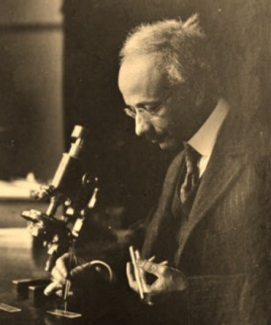
Honoring Dr. Solomon Carter Fuller
We remember and celebrate Dr. Solomon Carter Fuller’s vast contributions to the field of Alzheimer’s disease. Dr. Fuller is recognized as the first African American psychiatrist. In 1904, he traveled to Munich, Germany, as one of five foreign doctors chosen to work with Dr. Alois Alzheimer at the Royal Psychiatric Hospital.
Upon returning to the United States, Dr. Fuller published the first papers in English on “presenile dementia,” which would later be referred to as Alzheimer’s disease. He performed vital research into the physical effects of Alzheimer’s disease on the brain. Dr. Fuller faced racism during his career, and acknowledgment and celebration of his work during his lifetime was scarce. Despite this, he was a pioneer in medicine, and today we recognize his career as a cornerstone in building a diverse and inclusive medical profession.
Download an informational flyer
About the Wisconsin Alzheimer’s Disease Research Center (ADRC)
The Wisconsin Alzheimer’s Disease Research Center is the hub for aging and dementia research at the University of Wisconsin–Madison. The center supports more than 40 investigators, more than 100 scientists-in-training and approximately 50 research studies annually. The Wisconsin ADRC provides resources and sponsors events that educate the general public about the latest news and information on Alzheimer’s disease prevention and care.
The Center was established in 2009 with funding from the National Institute on Aging (NIA) and is one of over 30 federally funded, NIA-designated Alzheimer’s Disease Research Centers across the United States. The Wisconsin ADRC is part of a national network of scientists who are working toward the common goal of preventing and effectively treating Alzheimer’s disease.